

Tejano music provided the foundational stage for Selena Quintanilla's rise, transforming her from a local Texas artist into a national symbol of Hispanic identity. By bridging regional traditions with mainstream pop sensibilities, she created a cultural pathway that redefined how American audiences perceive Latino heritage. This article explores the specific musical and social mechanisms that allowed her legacy to endure as a political and cultural force in the United States.
Musical Foundations of the Quintanilla Family
Tejano music is a genre that blends traditional Mexican folk styles with contemporary pop and rock influences. For the Quintanilla family, this genre was not merely a career choice but a vehicle for cultural preservation. Selena began performing with her family, Los Dinos, at a young age, learning the technical and emotional demands of the stage in a community that valued musical heritage.
The family's early success in Texas established a local following that was deeply rooted in the Hispanic community. This grassroots support provided a stable foundation before any mainstream attention arrived. The specific sound of Tejano music, characterized by its rhythmic complexity and lyrical themes of love and struggle, gave Selena a distinct artistic identity that set her apart from other pop artists of the era.
The Role of the Family Band
The structure of the family band allowed for a unique level of artistic control and authenticity. Selena's relationship with her brothers, A.B. and Suzette, created a collaborative environment where the music remained true to its roots. This familial bond is a critical element in understanding how the music functioned as a social glue within the community.
Cultural Validation and Community Identity
In the 1980s and early 1990s, Latino audiences often created their own systems of validation before mainstream acceptance followed. Tejano music served as a space of self-recognition where cultural pride could be expressed without the need for external approval. Selena's rise was significant because she represented a generation that was navigating questions of belonging and visibility in a changing United States.
The community's response to her music was a form of collective identity building. Fans did not just listen to the songs; they participated in a cultural movement that asserted the value of Hispanic heritage in American life. This dynamic is central to the argument that her legacy extends beyond entertainment into the realm of social recognition.
Self-Recognition in a Marginalized Space
For many Mexican Americans, the national narrative often marginalized their specific cultural contributions. Tejano music provided a counter-narrative that celebrated local traditions and regional pride. Selena's ability to embody this pride while remaining accessible to a broader audience made her a powerful symbol of cultural transition.
Bridging the Mainstream Divide
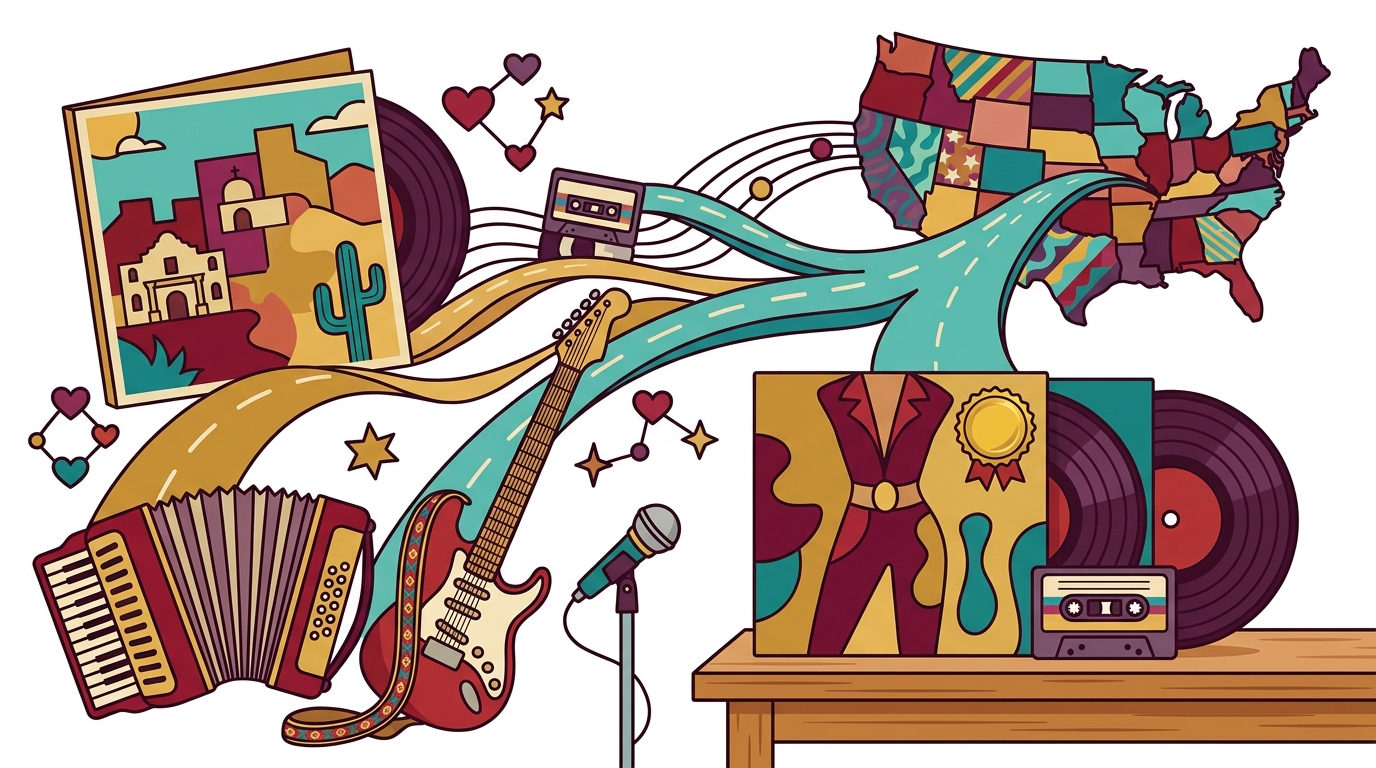
Selena's influence grew as she began to bridge the gap between the regional Tejano scene and the national pop market. Her ability to maintain authenticity to her roots while adopting elements of mainstream production allowed her to reach audiences who had previously been unfamiliar with the genre. This bridging role was crucial in shifting the perception of Hispanic music from a niche category to a dominant cultural force.
The commercial success of her albums demonstrated that there was a massive, underserved market for music that reflected the experiences of Latino Americans. This economic success provided evidence that cultural representation had tangible value. It challenged the industry's assumption that mainstream success required the dilution of cultural specificity.
Authenticity as a Strategic Asset
Unlike many artists who attempted to assimilate into a generic pop mold, Selena leaned into her identity. Her fashion, language, and musical style were all expressions of her heritage. This commitment to authenticity became a strategic asset that resonated with a wide demographic, proving that cultural specificity could be a source of universal appeal.
The Political Legacy of Representation
The legacy of Selena Quintanilla extends into the realm of politics and representation, showing how cultural figures can shape national conversations about identity. Her story is often cited in discussions about the evolving political and social identity of Mexican Americans and Latinos nationwide. The book More Than A Queen explores this intersection in depth, arguing that her rise was a transformative moment in American history.
By becoming a symbol of pride and possibility, Selena influenced how subsequent generations of Latino artists approached their careers. Her legacy is a reminder that cultural visibility is a prerequisite for political power. The ongoing debate about how Hispanic Americans are classified and recognized in the United States is deeply connected to the cultural groundwork laid by artists like her.
Shaping National Conversations
Cultural figures often serve as proxies for broader social debates. Selena's life and death sparked national conversations about the treatment of Latino communities and the importance of inclusion. These conversations continue to influence policy and public discourse today, demonstrating the long-term impact of her cultural work.
Key Takeaways
- Tejano music provided a foundational stage for Selena's rise, blending traditional Mexican styles with pop influences.
- The genre served as a space for cultural validation and self-recognition for Latino audiences in the 1980s and 90s.
- Selena's ability to bridge regional and mainstream markets challenged industry assumptions about cultural specificity.
- Her legacy extends beyond music into politics, influencing national conversations about identity and representation.
- The Quintanilla family's commitment to authenticity was a key factor in the music's enduring impact.
- Cultural visibility through music has been a prerequisite for broader political recognition of Latino communities.
Frequently Asked Questions
What is Tejano music?
Tejano music is a genre that blends traditional Mexican folk styles with contemporary pop and rock influences, originating in the Texas-Mexico border region.
How did Selena's family influence her career?
Selena began performing with her family band, Los Dinos, which provided her with early stage experience and a deep connection to the cultural roots of the genre.
Why is Selena considered a political figure?
Selena is considered a political figure because her rise as a cultural icon shaped national conversations about Hispanic identity, representation, and inclusion in the United States.
Did Selena's music change the music industry?
Yes, her commercial success demonstrated the value of culturally specific music, challenging the industry to recognize the economic and cultural power of the Latino market.
Where can I learn more about Selena's legacy?
You can explore the book More Than A Queen for a detailed analysis of her cultural and political impact.
What role did community play in her success?
The Hispanic community provided the initial validation and support that allowed Selena to build a stable career before achieving mainstream recognition.
Conclusion
Tejano music was the essential vehicle for Selena Quintanilla's transformation from a local artist into a national symbol of Hispanic identity. Her legacy demonstrates how cultural expression can drive political and social change. For those interested in a deeper exploration of this topic, Kris Elizondo's books offer valuable insights into the intersection of Latino culture, music, and politics. To learn more about the author's work on Hispanic identity and representation, visit the About Kris Elizondo page. You can also explore her other works, such as The Missing Race, which examines the broader questions of identity and recognition in America. For updates on new releases and events, check the Kris Elizondo blog and the Events page.