

More Than A Queen: The Definitive Guide to Selena and Hispanic Identity
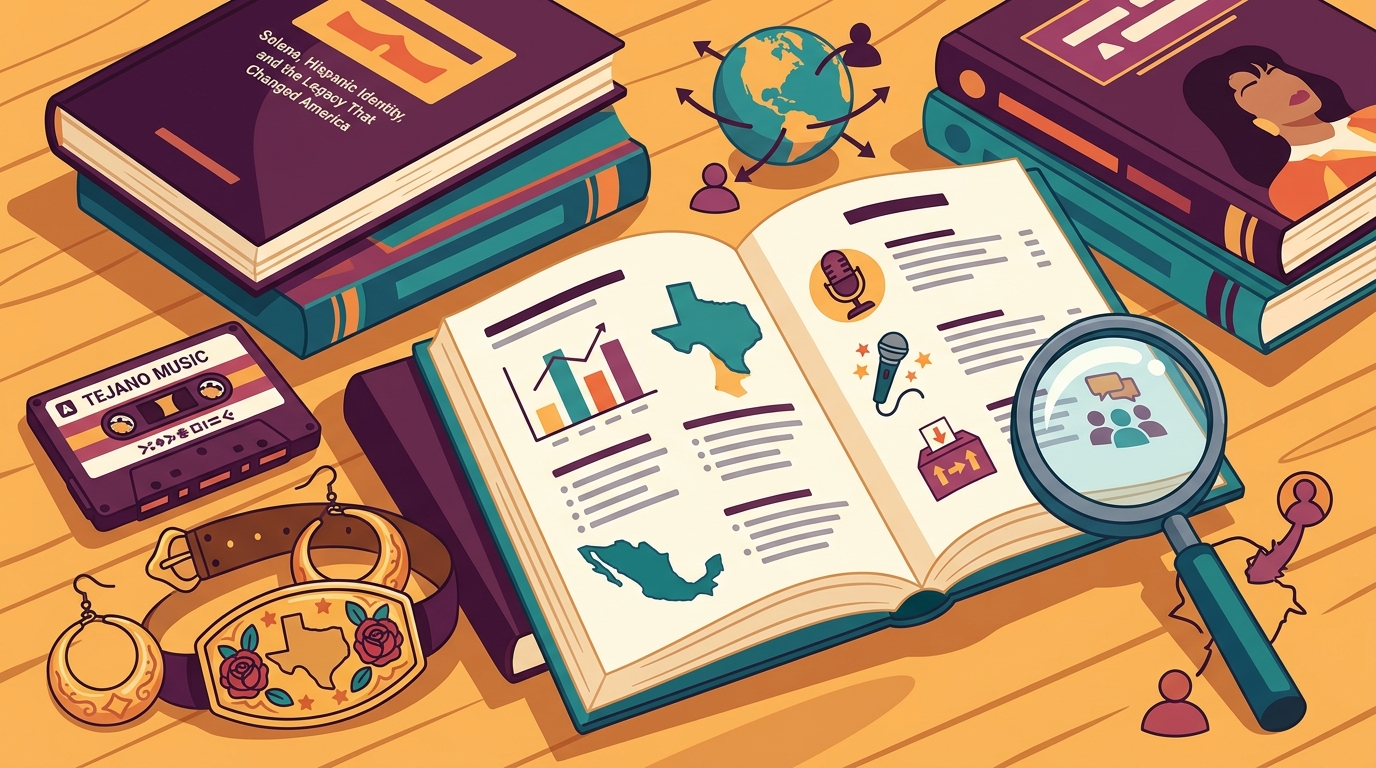
Author Kris Elizondo explores how Selena Quintanilla transformed American culture through her book More Than A Queen. This guide examines the intersection of Tejano music, political representation, and the evolving definition of Latino identity in the United States. It provides readers with a framework for understanding how one artist became a symbol for millions navigating questions of belonging and visibility.
The Tejano Music Legacy
Tejano music is a genre that blends traditional Mexican folk styles with contemporary pop and rock influences. It serves as a cultural foundation for many communities in Texas and beyond. For Latino audiences, this genre created a space of self-recognition before mainstream acceptance followed. Kris Elizondo’s work highlights how this music allowed communities to validate their own culture independently of national media approval.
The Role of Community Validation
Before major record labels embraced Tejano artists, local audiences built their own systems of support. Concerts, radio stations, and community events became the primary venues for cultural expression. This grassroots movement established a sense of pride that transcended commercial success. It demonstrated that cultural value does not require immediate mainstream recognition to be valid.
Music as a Political Space
Music often functions as a vehicle for political and social commentary. In the context of the 1990s, Tejano music provided a platform for discussing issues of identity and belonging. Artists used their lyrics and public presence to assert their place in the American cultural landscape. This assertion was a subtle but powerful form of resistance against marginalization.
Mexican American Representation in National Narratives
Representation is the act of depicting a group or individual in a way that reflects their reality and significance. For Mexican Americans, representation in national narratives has historically been limited or stereotyped. The book More Than A Queen traces how Selena’s rise challenged these limited portrayals. She emerged from a community rich in culture but often marginalized in broader American stories.
Breaking the Stereotype
Traditional media often confined Latino characters to narrow roles. Selena’s presence as a mainstream star disrupted these expectations. She was seen as a complex individual with a distinct artistic vision. This shift allowed audiences to see Mexican American identity as multifaceted rather than monolithic. It opened the door for more diverse and authentic representations in subsequent media.
The Impact on Political Visibility
Cultural visibility often precedes political power. As Selena became a household name, the political implications of her identity became more apparent. Her success highlighted the growing demographic and cultural influence of Latino communities. This visibility contributed to broader conversations about inclusion and recognition in American society. It underscored the need for policies that reflect the diversity of the population. according to What s in
Selena as a Cultural Symbol
Cultural symbolism is the use of a person or object to represent broader ideas, values, or movements. Selena became more than an entertainer; she became a representation of identity, pride, and possibility. Her ability to bridge cultures while remaining authentic to her roots positioned her as a powerful figure during a time of cultural transition. She symbolized the potential for Latino communities to achieve recognition without sacrificing their heritage.
Bridging Cultural Divides
Selena’s career demonstrated the possibility of cross-cultural appeal. She connected with audiences who shared her background and those who did not. This bridging role was significant because it fostered understanding and mutual respect. It showed that cultural authenticity and mainstream success are not mutually exclusive. Her legacy continues to inspire artists who navigate similar cultural intersections.
The Legacy of Authenticity
Authenticity is the quality of being genuine and true to one’s own nature. Selena’s commitment to her roots resonated deeply with her fans. She did not alter her identity to fit mainstream expectations. Instead, she brought her authentic self to the stage. This approach reinforced the idea that one can be fully oneself while achieving widespread success. It remains a powerful lesson for individuals navigating questions of belonging.
Negotiating Latino Identity in America
Latino identity negotiation is the process by which individuals define and express their cultural belonging in a new societal context. This process involves balancing heritage with the realities of living in the United States. The book explores how individuals navigate questions of belonging and visibility. It examines the tension between maintaining cultural traditions and adapting to American norms.
The Complexity of Self-Definition
Identity is not static; it evolves over time and in response to external factors. For many Latino Americans, this evolution involves reconciling multiple cultural influences. They may identify with their family’s heritage, their community’s values, and their personal experiences. This complexity challenges simplistic definitions of race and ethnicity. It highlights the importance of allowing individuals to define themselves on their own terms.
Community and Collective Identity
Individual identity is often shaped by community. Latino communities provide a sense of belonging and support that is crucial for navigating the challenges of assimilation. These communities offer a space where cultural traditions are preserved and celebrated. They also provide a platform for collective action and advocacy. The strength of these communities contributes to the resilience of Latino identity in America.
Key Takeaways
- Tejano music served as a crucial space for cultural validation before mainstream acceptance.
- Selena’s rise challenged limited stereotypes and expanded the representation of Mexican Americans.
- Cultural symbolism allows individuals to represent broader values and movements.
- Authenticity is a powerful tool for achieving success without sacrificing heritage.
- Latino identity is a dynamic process of negotiation and self-definition.
- Community plays a vital role in shaping and sustaining cultural identity.
- Cultural visibility often paves the way for political recognition and power.
- The legacy of cultural figures extends beyond entertainment into the realm of social change.
Frequently Asked Questions
What is the main theme of More Than A Queen?
The main theme is the exploration of how Selena’s legacy intersects with Hispanic identity and political representation in America.
How does Tejano music relate to Latino identity?
Tejano music provides a cultural foundation and a space for self-recognition, allowing communities to validate their identity independently.
Why is Selena considered a cultural symbol?
Selena is considered a cultural symbol because she represents identity, pride, and the possibility of bridging cultures while remaining authentic.
What is Latino identity negotiation?
Latino identity negotiation is the process of defining and expressing cultural belonging while balancing heritage with American societal norms.
How did Selena’s career impact political visibility?
Selena’s mainstream success highlighted the growing influence of Latino communities, contributing to broader conversations about inclusion and recognition.
Where can I buy More Than A Queen?
You can purchase the book through various retailers, including Amazon and Barnes and Noble.
Who is Kris Elizondo?
Kris Elizondo is a writer and author whose work explores the intersection of Latino culture, music, and politics.
Is the book a traditional biography?
No, the book is a cultural and political exploration that places Selena’s rise alongside the evolving identity of Mexican Americans and Latinos.
Conclusion
Kris Elizondo’s More Than A Queen offers a profound look at how cultural figures shape national conversations about identity and inclusion. By examining the legacy of Selena Quintanilla, the book illuminates the broader journey of Latino communities in America. It serves as a valuable resource for anyone interested in understanding the dynamics of cultural representation and political power. To explore more of Kris Elizondo’s work, visit the Books page on the author’s website.