

The U.S. Census Bureau separates Hispanic ethnicity from race to capture a distinct demographic dimension that standard racial categories do not fully reflect. This structural choice stems from historical policy decisions and the unique panethnic nature of the Hispanic and Latino American experience. Author Kris Elizondo explores this complex dynamic in her works, providing readers with a clear understanding of how identity, politics, and data collection intersect in the United States.
Panethnic Identity Formation
Panethnic identity is a collective identity that unites diverse groups under a shared cultural or national label, often transcending specific racial or ethnic boundaries. For Hispanic and Latino Americans, this identity is not monolithic. It encompasses a vast array of national origins, including Mexican, Puerto Rican, Cuban, and Central and South American backgrounds. This diversity is precisely why the Census treats Hispanic identity as an ethnicity rather than a race. A race is typically defined by perceived physical characteristics, whereas an ethnicity is defined by shared cultural heritage, language, and ancestry.
The Complexity of Self-Identification
Many Hispanic Americans identify with multiple racial categories simultaneously. Some identify as White, others as Black, and many as "Some Other Race." This multiplicity challenges the traditional binary or limited racial categories used in U.S. data collection. The Census Bureau's approach allows individuals to report their Hispanic origin separately from their race, ensuring that the full spectrum of their identity is captured. This method acknowledges that Hispanic identity is a cultural and historical construct that does not fit neatly into the existing racial boxes.
Cultural Foundations
The formation of this panethnic identity is deeply rooted in the shared experiences of immigration, cultural preservation, and the struggle for recognition in American society. Cultural figures and community leaders have played a significant role in shaping this identity. By examining these cultural foundations, readers can better understand why a separate ethnicity question is necessary to accurately represent the Hispanic and Latino American population.
The History of Census Classification
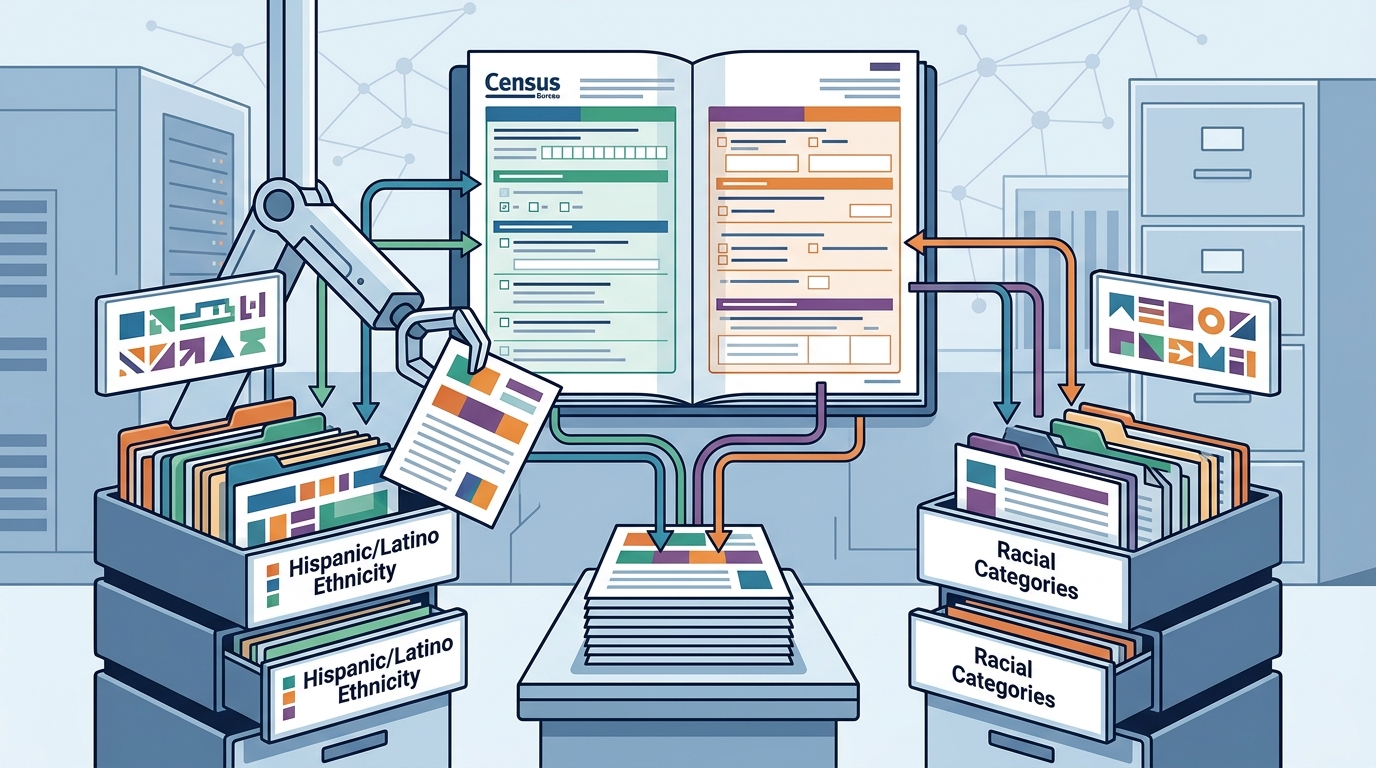
The decision to separate Hispanic ethnicity from race in the Census is not accidental. It is the result of decades of policy debates, legal challenges, and demographic shifts. The modern Hispanic ethnicity question was introduced in the 1980 Census, following a 1978 recommendation by the U.S. Office of Management and Budget (OMB). This recommendation was part of a broader effort to improve the accuracy of federal data collection and to ensure that minority groups were adequately represented in government programs and policies.
Evolution of Federal Standards
Before 1980, the Census did not have a specific question for Hispanic origin. Individuals were asked to identify their race, which often led to undercounting and misclassification. The introduction of the separate ethnicity question was a significant shift in how the federal government approached demographic data. It recognized that Hispanic Americans constituted a distinct group with unique social and economic characteristics that warranted separate tracking. This historical context is crucial for understanding the current structure of the Census form.
Legal and Policy Drivers
Legal cases and civil rights movements also influenced the development of Census categories. The need to enforce civil rights laws, such as the Voting Rights Act and Title VI of the Civil Rights Act, required accurate data on minority populations. By separating ethnicity from race, the government could better monitor compliance with these laws and ensure that Hispanic Americans were not being discriminated against in areas such as voting, employment, and housing. This legal framework continues to shape how the Census is designed and administered.
Political and Social Implications
The way the Census classifies Hispanic Americans has profound political and social implications. Accurate data is essential for redistricting, the allocation of federal funds, and the enforcement of civil rights laws. When Hispanic identity is separated from race, it allows for a more nuanced understanding of the demographic landscape. This, in turn, influences political representation and policy decisions. For example, accurate data on Hispanic populations can help ensure that congressional districts are drawn in a way that reflects the community's size and distribution.
Representation and Power
Representation is a central theme in the study of Hispanic identity. The ability to define oneself in the Census is a form of political power. It allows individuals to assert their identity and demand recognition from the state. This dynamic is explored in depth in Kris Elizondo's book, The Missing Race. The book examines how the current system of classification shapes the political power of Hispanic Americans and what changes might be needed to ensure true representation.
Healthcare and Social Services
Beyond politics, Census data is used to allocate resources for healthcare and social services. Accurate data on Hispanic populations helps identify disparities in access to care and outcomes. By understanding the specific needs of different Hispanic subgroups, policymakers can design more effective programs. This practical application of Census data underscores the importance of accurate and inclusive classification methods.
| Book Title | Focus Area | Key Insight |
|---|---|---|
| The Missing Race | Census classification and self-identification | Explores the history and consequences of separating Hispanic ethnicity from race. |
| More Than A Queen | Cultural identity and representation | Examines how cultural figures like Selena shaped Hispanic identity and visibility. |
| My Mother, My Grief | Personal narrative and family bonds | Offers a personal perspective on identity, loss, and the enduring nature of family connections. |
Key Takeaways
- The Census separates Hispanic ethnicity from race to capture a distinct demographic dimension that standard racial categories do not fully reflect.
- Panethnic identity is a collective identity that unites diverse groups under a shared cultural or national label.
- The modern Hispanic ethnicity question was introduced in the 1980 Census following a 1978 OMB recommendation.
- Accurate Census data is essential for redistricting, the allocation of federal funds, and the enforcement of civil rights laws.
- Representation is a central theme in the study of Hispanic identity, with the ability to define oneself in the Census serving as a form of political power.
- Kris Elizondo's book, The Missing Race, provides a detailed examination of the history and consequences of Census classification.
- Cultural figures and community leaders have played a significant role in shaping the panethnic identity of Hispanic and Latino Americans.
- Understanding the structural choices behind Census data collection is crucial for grasping the broader social and political dynamics of the United States.
Frequently Asked Questions
Why does the Census ask about Hispanic ethnicity separately from race?
The Census asks about Hispanic ethnicity separately from race because Hispanic identity is a cultural and historical construct that does not fit neatly into the existing racial categories. This separation allows for a more accurate representation of the diverse Hispanic and Latino American population.
What is panethnic identity?
Panethnic identity is a collective identity that unites diverse groups under a shared cultural or national label, often transcending specific racial or ethnic boundaries. For Hispanic and Latino Americans, this identity encompasses a vast array of national origins and cultural backgrounds.
When was the Hispanic ethnicity question introduced in the Census?
The modern Hispanic ethnicity question was introduced in the 1980 Census, following a 1978 recommendation by the U.S. Office of Management and Budget (OMB). This was part of a broader effort to improve the accuracy of federal data collection.
How does Census data affect political representation?
Census data is used for redistricting, which determines the boundaries of congressional and state legislative districts. Accurate data on Hispanic populations helps ensure that these districts are drawn in a way that reflects the community's size and distribution, thereby influencing political representation.
What role do cultural figures play in shaping Hispanic identity?
Cultural figures and community leaders have played a significant role in shaping the panethnic identity of Hispanic and Latino Americans. They help define the cultural narrative and promote visibility and recognition in American society.
Where can I learn more about the history of Census classification?
You can learn more about the history of Census classification by reading Kris Elizondo's book, The Missing Race. This book provides a detailed examination of the history and consequences of separating Hispanic ethnicity from race.
Is Hispanic identity considered a race or an ethnicity?
Hispanic identity is considered an ethnicity, not a race. A race is typically defined by perceived physical characteristics, whereas an ethnicity is defined by shared cultural heritage, language, and ancestry. The Census reflects this distinction by asking about Hispanic origin separately from race.
How does the Census data impact healthcare and social services?
Census data is used to allocate resources for healthcare and social services. Accurate data on Hispanic populations helps identify disparities in access to care and outcomes, allowing policymakers to design more effective programs.
Conclusion
Understanding why the Census separates Hispanic ethnicity from race is essential for grasping the broader dynamics of identity, politics, and representation in the United States. The structural choices behind Census data collection are not neutral; they reflect historical policy decisions and have significant implications for how Hispanic and Latino Americans are perceived and treated. By exploring these themes, readers can gain a deeper appreciation for the complexity of American identity and the ongoing struggle for recognition and equity.
For those interested in delving deeper into these topics, Kris Elizondo offers a range of works that explore the intersection of culture, politics, and personal experience. Her book, The Missing Race, provides a comprehensive look at the history and consequences of Census classification. Additionally, her other works, such as More Than A Queen and My Mother, My Grief, offer valuable insights into the cultural and personal dimensions of Hispanic identity. To learn more about Kris Elizondo's work and to explore her books, visit her About page or browse her Books collection.