

Ultimate Guide: Selena, Hispanic Identity, and Latino Representation in America
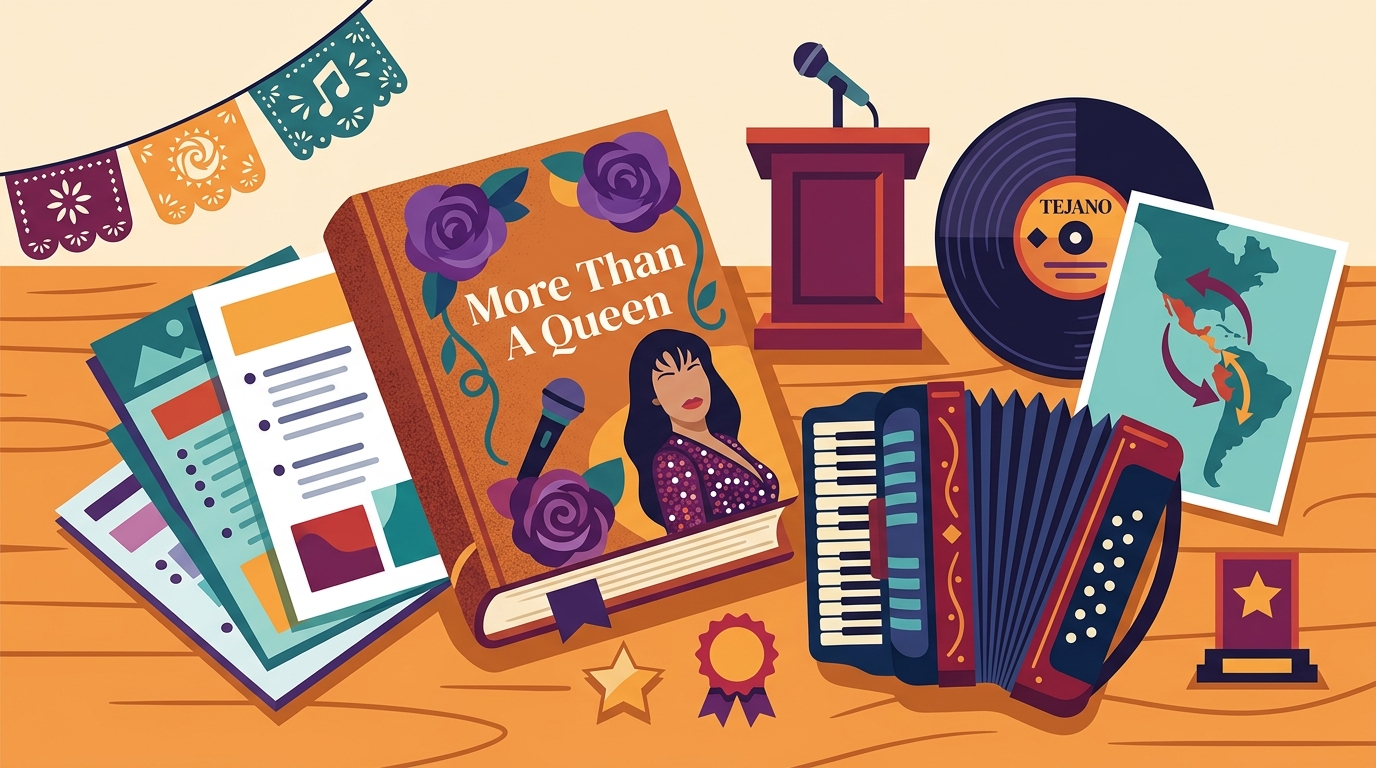
Author Kris Elizondo explores how Selena Quintanilla became a symbol of Hispanic identity in her book More Than A Queen. This guide examines the cultural, political, and musical dimensions of that legacy. It covers Selena's symbolism, the negotiation of Latino identity, Mexican American representation, and the enduring impact of Tejano music.
Selena's Cultural Symbolism
Selena Quintanilla is a cultural figure whose influence extends far beyond the music industry. She became a representation of identity, pride, and possibility for a generation navigating questions of belonging and visibility. Her ability to bridge cultures while remaining authentic to her roots positioned her as a powerful figure during a time of cultural transition.
From Entertainer to Icon
As Selena's influence grew, so did her symbolic importance. She became more than an entertainer; she became a representation of identity for a community that was gaining visibility but not yet full recognition or power. The book More Than A Queen argues that her legacy extends beyond music into the realm of politics and representation.
The Power of Cultural Figures
Cultural figures can shape national conversations about identity, inclusion, and recognition. Selena's rise is traced within the broader context of a changing United States. This context is one in which Latino communities were gaining visibility but not yet full recognition or power. Her story illustrates how one artist can represent a transformative moment in American history.
Latino Identity Negotiation
Latino identity is a complex and evolving concept that requires constant negotiation. For many, the identity they have always known does not fit into the box America gives them. This mismatch creates a need for self-definition and community validation.
The Challenge of Classification
Hispanic and Latino Americans have often been asked to identify their ethnicity separately from their race. This system forces millions of people to choose categories that may not fully reflect how they understand themselves. The consequences of being misunderstood in government data are significant and far-reaching.
Self-Identification and Power
The question of who has the power to define who we are is central to the Latino experience. This is not an argument that every Hispanic American shares one race, ancestry, or identity. Instead, it asks whether the people being classified should have a meaningful role in defining themselves. The debate over recognition, representation, political power, and self-identification is ongoing.
Mexican American Representation
Mexican American representation in national narratives has historically been limited. Communities rich in culture have often been marginalized in broader American stories. This marginalization affects how these communities are perceived and treated in society.
Visibility and Recognition
Visibility is a key component of representation. Latino communities were gaining visibility in the United States, but this did not always translate into full recognition or power. The gap between visibility and recognition is a critical issue in the discussion of Mexican American representation.
Shaping National Conversations
Cultural figures like Selena help shape national conversations about identity and inclusion. Their work challenges the dominant narratives and provides a platform for underrepresented voices. This process is essential for a more inclusive and accurate portrayal of American history.
Tejano Music Legacy
Tejano music is a cultural foundation and a space of self-recognition for Latino audiences. It serves as a vehicle for expressing identity and community. The legacy of Tejano music is deeply intertwined with the broader narrative of Latino identity in America.
Community Validation
Latino audiences created their own systems of validation before mainstream acceptance followed. Tejano music provided a space where this validation could occur. It allowed communities to define themselves on their own terms, independent of mainstream media narratives.
Enduring Influence
The influence of Tejano music continues to resonate in contemporary culture. It remains a vital part of the Latino cultural landscape. The legacy of artists like Selena ensures that this music continues to be a source of pride and identity for future generations.
Key Takeaways
- Selena Quintanilla is a cultural symbol of Hispanic identity and pride.
- Latino identity is a complex negotiation involving self-definition and community validation.
- Mexican American representation has historically been marginalized in national narratives.
- Tejano music serves as a cultural foundation and space of self-recognition.
- Cultural figures can shape national conversations about identity and inclusion.
- The gap between visibility and recognition is a critical issue for Latino communities.
- Self-identification is a powerful tool for challenging dominant narratives.
- The legacy of Tejano music continues to influence contemporary Latino culture.
Frequently Asked Questions
What is the main theme of More Than A Queen?
The main theme is the cultural and political exploration of how Selena Quintanilla came to represent a transformative moment in American history.
How does Selena's legacy extend beyond music?
Her legacy extends into the realm of politics and representation, showing how cultural figures can shape national conversations about identity, inclusion, and recognition.
What is the significance of Tejano music in Latino identity?
Tejano music serves as a cultural foundation and a space of self-recognition, allowing Latino audiences to create their own systems of validation.
How does the book address the issue of Latino classification?
The book explores the history behind the system of classifying Hispanic and Latino Americans separately from their race and the consequences of being misunderstood in government data.
Who is the target audience for this book?
The target audience includes readers interested in Hispanic identity, Selena Quintanilla's legacy, and transformative cultural representation.
Where can I buy More Than A Queen?
The book is available for purchase from multiple retail platforms, including Amazon, Barnes and Noble, and LuLu.
Conclusion
Kris Elizondo's work provides a deep dive into the intersection of Latino culture, music, and politics. By exploring the life and legacy of Selena Quintanilla, the book offers valuable insights into the ongoing negotiation of Latino identity in America. For those interested in understanding the cultural and political dimensions of Hispanic representation, More Than A Queen is an essential read. You can learn more about the author's other works and upcoming events on the About page.